System integration and automation
System integration and workflow automation for growing companies. Shopify, your CRM, ERP, lead platforms and payments share each record, and failed transfers are flagged.
Retail & e-commerce
Retailers sell through shops, warehouses and online channels at the same time. We work on the handoffs between them: a shared view of stock, Shopify and other sales channels connected to the back office, and customer-facing commerce products.
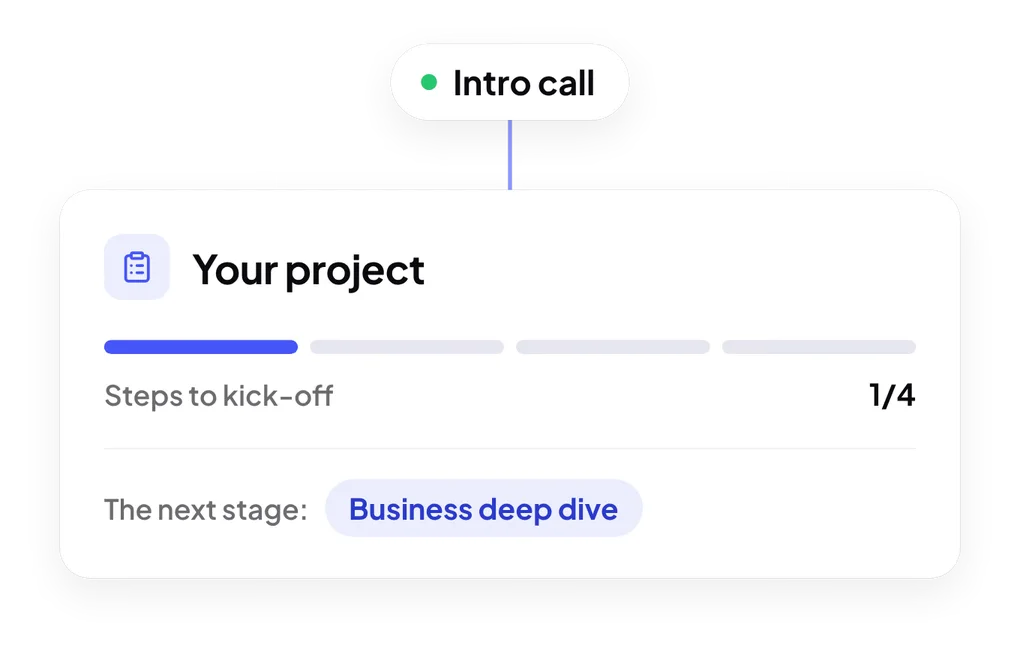
LNOKS builds inventory and order management and live shopping apps for retailers and brands that sell through shops, warehouses and online channels at once. For a retail group in Germany we replaced per-location spreadsheets and point-of-sale exports with one shared stock and order system across its shops and warehouses, so a sale or transfer in one place updates stock everywhere. For Miraya, a German fashion manufacturer, we built a live shopping app on iOS, Android and the web: products come from its Shopify store, orders go back to it, and every buyer is recorded in Miraya's own CRM. Each project starts with a call and one workflow.
Recognise these?
Stock counts differ between the shops, the warehouse and the online store.
Online and in-store orders compete for the same units.
Product and order data is re-entered between the shop platform and the back office.
Head office waits for spreadsheets to learn what sold where.
Workflows
One stock record shared by shops, warehouses and head office, updated as sales, returns and transfers happen.
Catalogue and orders moving between your store platform and the systems behind it, without double entry.
One order pipeline that reserves stock against live inventory, whichever channel the order comes from.
Web and mobile shopping experiences connected to the store you already run.
Relevant work
Projects that show how we approach these workflows.

A custom inventory management platform that brings stock, shops, orders, customers, suppliers and assets into one system across a German retailer’s locations.

A live shopping app for iOS, Android and the web, built in 4 months. Viewers buy inside the stream; orders go to Shopify and buyers to the CRM.
Services
System integration and workflow automation for growing companies. Shopify, your CRM, ERP, lead platforms and payments share each record, and failed transfers are flagged.

Hire us when a core process runs on spreadsheets, paper or workarounds because no available tool fits it.

Hire us when you are building a web or mobile application for your own customers and need a team to design, build or continue it.
Before you enquire
Yes. For a German retail group with more than 20 shops and warehouses, LNOKS replaced per-location spreadsheets and point-of-sale exports with one shared stock and order system. A sale or transfer in one location now updates stock everywhere, so every shop and warehouse works from the same figures.
Each sale, return and transfer is recorded against the location where it happened, and the shared stock count updates straight away. For the German retail group, this real-time synchronisation replaced overnight manual reconciliation. Online orders can feed the same records when your shop system or store platform offers an API.
Yes. For Miraya, a German fashion manufacturer, we built a live shopping app whose products come from its Shopify store and whose orders go back to it, with every buyer recorded in Miraya's own CRM. The same approach connects Shopify to the stock, order and customer records in your back office, so nobody copies orders between systems by hand.
Start with the handoff that costs the most time or causes the most mistakes, such as stock counts that never match the shelf or supplier orders tracked in email. We map how that work runs today, agree what the first release must do, and build that first. Further workflows follow once the team uses the system every day.
No. We connect what already works, such as Shopify, your point-of-sale system or your accounting software, and build software only for the work those tools cannot handle. Where a tool offers an API, its data flows into the shared records automatically. The code we write belongs to you, with no licence fee on it.
Tell us about the workflow. The first conversation clarifies the problem, your existing systems and an appropriate next step.