New sales channels

Sell directly through your own live shopping, marketplace or booking app

Connected to the Shopify store, CRM and payments your team already runs, so nothing is retyped.

New sales channels

New sales channels let a business sell directly to buyers through its own app, not only through shops, paid ads or someone else's platform. LNOKS builds three kinds: shoppable live streams, marketplaces where sellers list and get paid, and booking apps. Each one connects to the store, customer records and payments the business already runs, so nothing is retyped. For Miraya, a German fashion manufacturer, we built a live shopping app for iOS, Android and the web in 4 months. Viewers buy from product cards inside the stream, each order syncs to the brand's Shopify store, and each buyer is recorded in Miraya's CRM. A project starts with a call, then a scoped first release.

Sound familiar?

What gets in the way.

  1. 01

    New collections reach buyers through local shops, or through Instagram and Facebook ads that cost a lot and sell little.

  2. 02

    Going live on Instagram or TikTok keeps the buyer and the order data on someone else's platform, not in your CRM.

  3. 03

    The catalogue and orders already run in Shopify, so a new channel cannot mean a second catalogue or orders typed in by hand.

  4. 04

    Buyers from a new channel end up in a separate tool, not in the CRM the sales team already uses.

  5. 05

    Your sellers or guides have no shared place to list, so buyers cannot find them.

What we build

What we build.

  1. 01

    Live shopping apps connected to Shopify and CRM

    Brands go live, product cards appear as the host presents each item, and viewers buy without leaving the stream. Orders go to your shop system and buyers to your CRM.

    Miraya Live Custom live shopping app connected to Shopify and CRM View case study
  2. 02

    Marketplace and listing platforms

    Sellers, brands or guides publish their own listings, buyers search and buy, and each role gets its own sign-in, tools and permissions.

    Tourific AR-powered audio tour platform for independent tour guides View case study
  3. 03

    Booking apps

    Customers choose a time and pay when they book. Each provider keeps their own availability and schedule.

    Bellus Social booking platform for wellness & beauty professionals View case study
  4. 04

    In-app payments and seller payouts

    In-app purchases on iOS and Android, card checkout on the web, subscriptions, and payouts that split each sale between the seller and the platform.

    Tourific AR-powered audio tour platform for independent tour guides View case study

How a project starts

Start with a conversation about the problem.

We first want to understand what is happening today. What follows depends on how clear the work already is.

  1. A conversation about the problem

    We start by understanding what you sell or teach today, who it is for and what a first release needs to do.

  2. An assessment, if the scope is uncertain

    When several systems, unclear data or an undocumented process are involved, a short assessment maps the process, the risks and the options first.

  3. A focused first release

    When the workflow and systems are already clear, we agree a first result with acceptance criteria and start building it.

  4. Ongoing support

    After launch, we agree who fixes what, in which hours and how fast we respond.

Automation

Where automation helps.

Most of the work in a new channel is connecting it to what you already run. In Miraya Live, products come from the brand's Shopify store, orders go back to it for fulfilment, and each buyer is recorded in the CRM with no exports. In Tourific, every tour purchase is split between the guide and the platform automatically, so nobody works out payouts by hand.

Client reviews

What clients say about working with us.

Before you enquire

Frequently asked questions

A new sales channel app is software that lets a business sell directly to its buyers: a live shopping app, a marketplace or a booking app. LNOKS builds it for iOS, Android or the web and connects it to the shop system, CRM and payments you already use, so orders and customers land where your team already works.

The first releases of Miraya Live and the Tourific marketplace each took 4 months, on iOS, Android and the web. Your timeline depends on the roles, platforms and integrations you need. After a first call we scope a first release and quote it, so you know the timeline before the build starts.

The first step is a call. We talk through how you sell today, which systems hold your products, orders and customers, and what a first release would need to include. The build is quoted after scoping, once the roles, platforms and integrations are clear, so you are not asked to commit before the work is defined.

If you sell only to the public, have one price list and want to start quickly, TikTok Shop, a live shopping plug-in for your store or a ready-made booking tool costs less and starts faster. A custom app makes sense when you need your own roles, rules or integrations those tools cannot handle. We will tell you which applies on the first call.

No. A sales channel app gives the buyers you can already reach a better way to watch, ask and order, and it records who they are. It does not create an audience the way a public platform or paid ads can. Plan how buyers will hear about your first shows before the build starts; we cover this on the first call.

Yes, where those systems offer an API. In Miraya Live the catalogue comes from the brand's Shopify store, orders go back to Shopify for fulfilment, and each buyer and order is recorded in Miraya's CRM automatically. During scoping we map which system holds products, stock, orders and customers, and connect the app to those instead of adding a second catalogue.

Yes. Miraya Live takes in-app purchases on iOS and Android, Stripe checkout on the web and RevenueCat subscriptions for premium brand access. In Tourific, each tour purchase is split automatically between the guide and the platform, so guides receive their share without anyone working out payouts by hand. Which payment paths you need is settled during scoping.

The code becomes yours on delivery, as the contract states. Your customer and order data stays in your own systems: in Miraya Live, orders sit in the brand's Shopify store and buyers in Miraya's CRM. The shop, streaming, payment and app store accounts are registered to your business from the start, not to LNOKS.

We agree the support and next features your channel needs. With Miraya, the work continued after the live shopping app: LNOKS went on to develop and maintain Miraya's own CRM. Support covers fixes, updates when iOS, Android or a connected service changes, and new features, planned around how your buyers actually use the channel.

Tell us how you sell today.

On the first call we go through the problem, the systems involved and what a sensible first release would be.

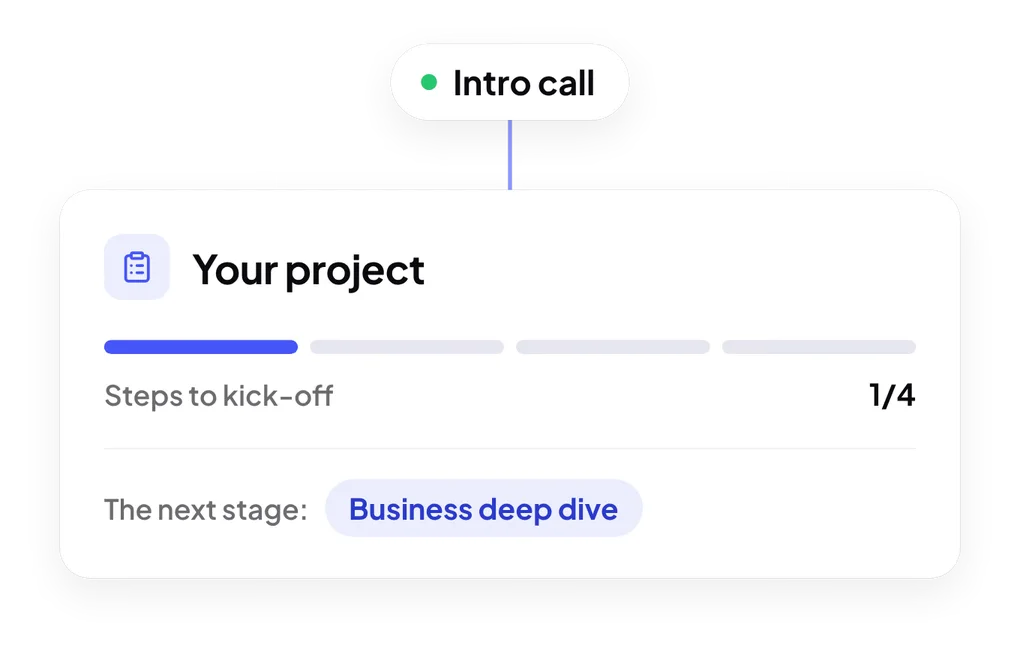
Steps to kick-off: intro call, business deep dive, proposal and discovery phase